Loss of Utility Power
The facility loses its normal source and the standby system is required to carry it.
The commissioning process is a systematic, quality-focused approach that ensures building systems are designed, installed, tested, operated and maintained according to the owner’s project requirements and the design intent. We run it from the first planning meeting to the day operations take the keys.
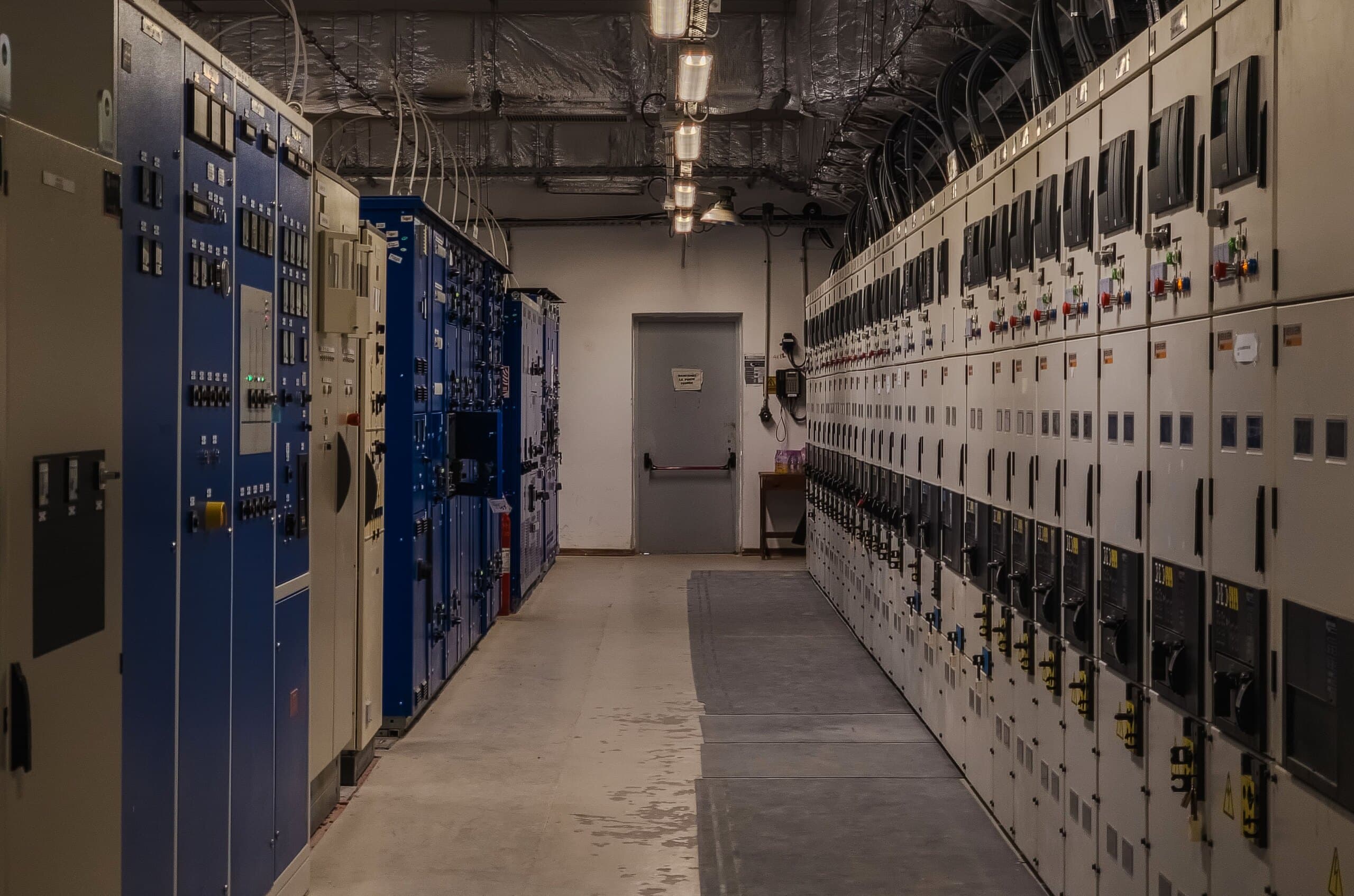
From the Owner's Project Requirements to the day operations take the keys.
Published industry data is consistent year over year, and it points to the systems commissioning exists to verify.
54%
of operators said power was the primary cause of their most recent impactful data center outage, the single largest category.
Uptime Institute Global Data Center Survey 2024, n=97
80%
said that outage would have been preventable with better management, processes or configuration.
Uptime Institute Global Data Center Survey 2024, n=97
57%
said their most recent major outage cost more than $100,000. One in five said it cost more than $1 million.
Uptime Institute Annual Outage Analysis 2026, reporting the 2025 survey
Uptime Institute's 2026 analysis identifies UPS systems, transfer switches and generators as the dominant failure points. These are the systems we verify, under load, across the failure modes they are designed to withstand.
Each level of the process produces documentation, and that documentation is what is turned over to the owner at completion.
Establishing project goals, scope, roles and the Owner’s Project Requirements before design begins.
Reviewing the design for compliance with the OPR and developing the commissioning specifications and test scripts.
Confirming through submittal review and site observation that systems are installed as designed.
Inspections and static tests confirming equipment is correctly installed, labeled, powered and ready for functional testing.
Testing sequences of operation, control system response and alarms under simulated operating scenarios.
Final verification of all systems operating together, including failure and recovery, followed by training and turnover.
Continued support after acceptance, including issue resolution, optional seasonal testing and operations optimization.
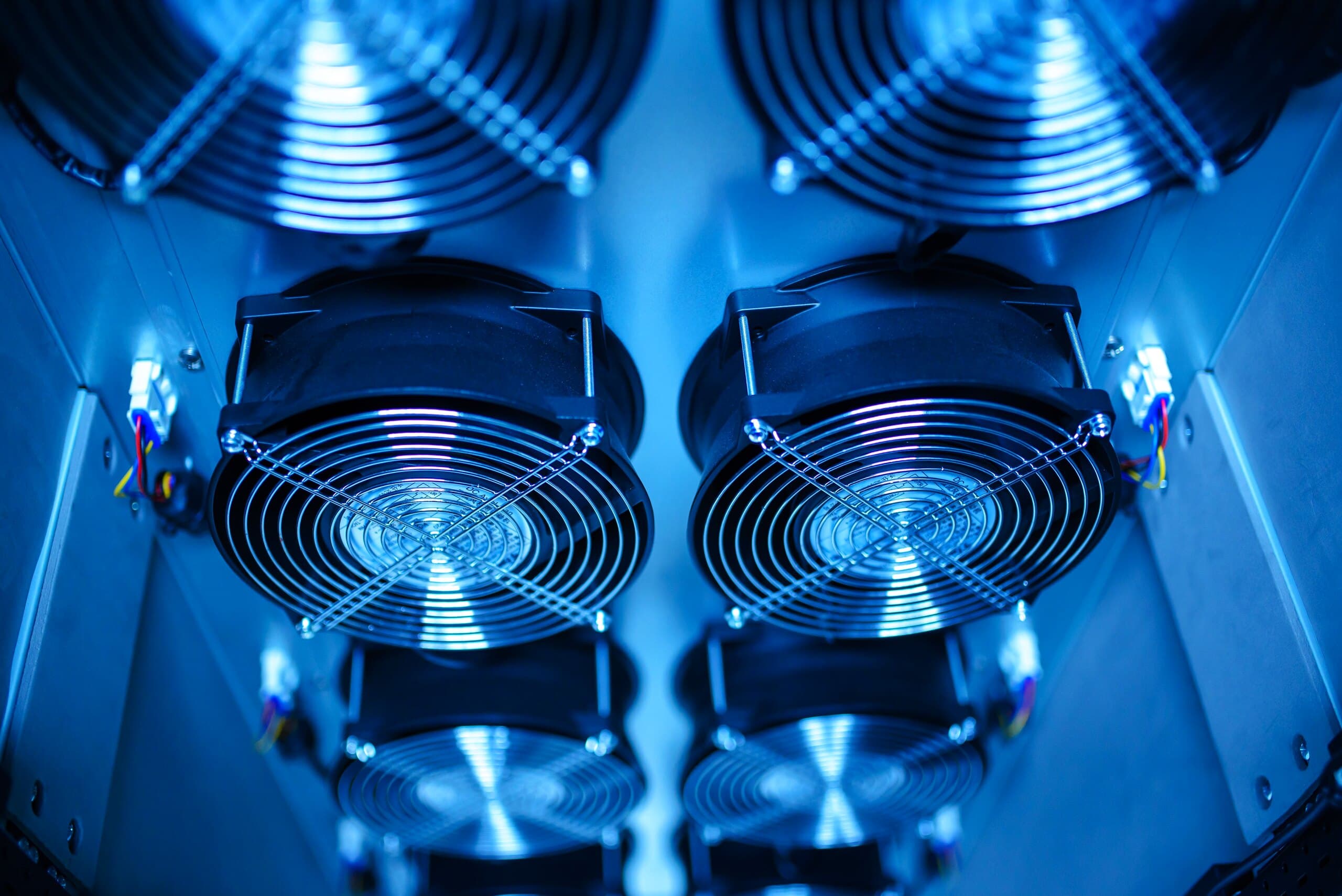
Level 4 to Level 5
Individual systems pass, and then they are tested as one.
Acceptance testing verifies individual components. Commissioning validates the systems operating together as one integrated system, from the primary voltage source through final distribution, under normal and abnormal conditions.
The facility loses its normal source and the standby system is required to carry it.
Generators start, reach rated voltage and frequency, accept load and sustain it.
Transfer to battery, return to normal and transfer to bypass, each without interruption to the critical load.
One distribution path is removed from service and the redundant path carries the full facility load.
Faults are applied at various locations and verified to clear at the nearest device, without propagating beyond the intended boundary.
The facility is taken to a dead bus and brought back, in sequence, on its own standby power.
Protection and control systems communicate over IEC 61850, Modbus and DNP3, often in combination. We verify that devices exchange the correct information, with the correct devices, using the correct logic and priorities.
Held to the documents an owner's specification names.
The governing documents this process is held to, and the standards owner specifications commonly reference.